Choosing the Right Drive Shed Dimensions for Your Canadian Farm Machinery
The Canadian agricultural landscape is as vast and varied as the country itself, from the sprawling prairies of Alberta to the rolling hills of the Maritimes. Given the range of climates and topographies, selecting the right drive shed dimensions is essential for protecting your farm machinery. A well-designed drive shed not only safeguards your valuable equipment but also enhances operational efficiency on your farm.
Understanding Your Machinery Needs
Before deciding on the dimensions of your drive shed, it is important to thoroughly assess the types and sizes of machinery you own. Consider tractors, combines, seeders, and other essential equipment. For instance, large combines and multi-functional tractors require more generous space compared to smaller equipment like ATVs or ploughs.
An effective way to start is by cataloguing your current machinery and making projections about future acquisitions. As farming technology evolves, you might invest in bulkier, more advanced equipment that necessitates additional space. Factor in extra clearance for attachments such as headers and sprayers, which significantly increase the space needed for storage.
Taking Advantage of Modern Drive Shed Kits
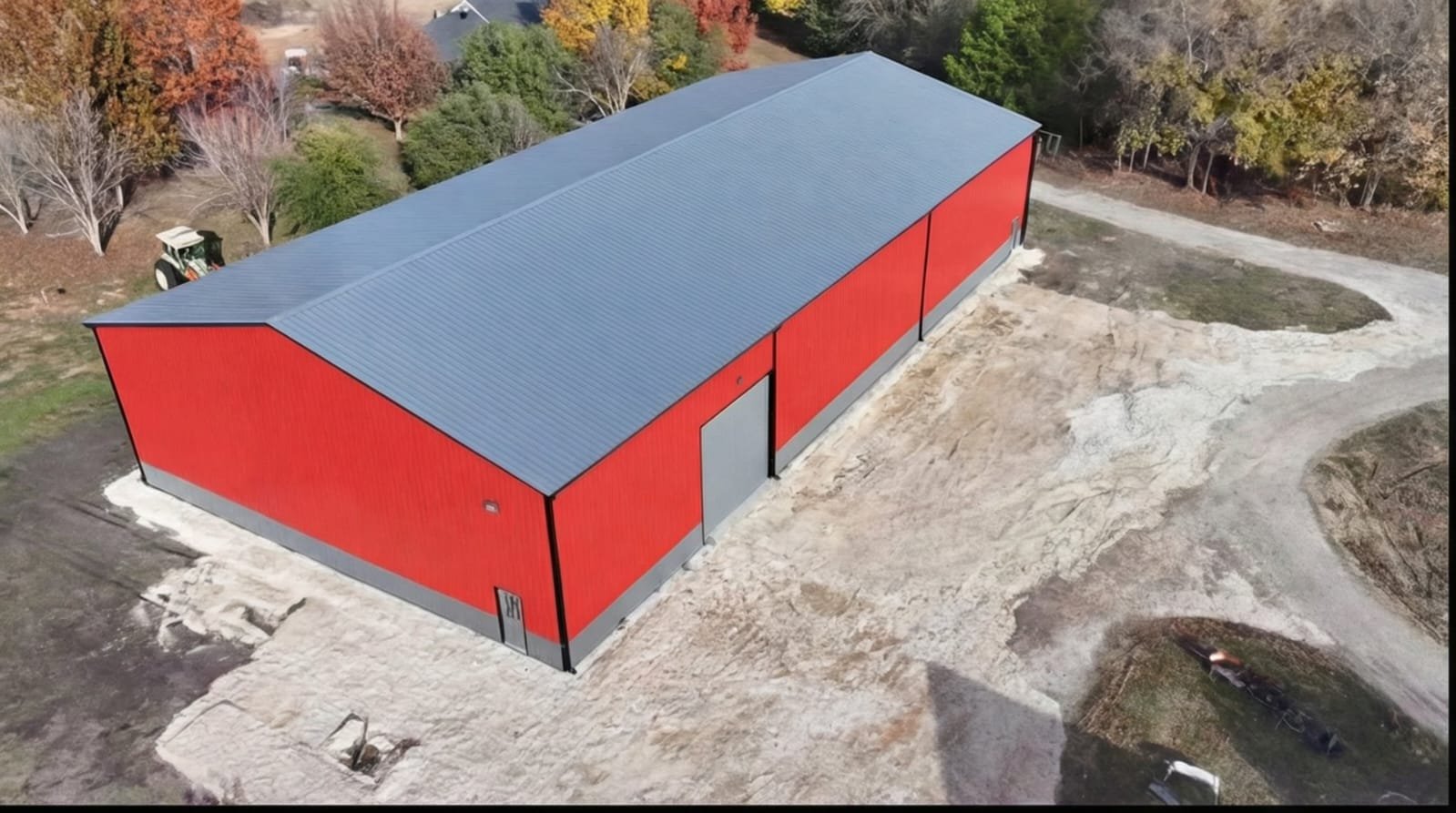
One of the advantages of choosing drive shed kits is their inherent flexibility. Many companies offer customizable options allowing you to match the exact dimensions needed without overspending on unnecessary extra space. With these kits, you can plan your shed around your specific machinery dimensions, ensuring both a functional and efficient storage solution.
Drive shed kits often come with detailed blueprints and easy-to-follow guidelines, which simplify the construction process. This not only saves time and money but also ensures a durable and reliable structure designed specifically for the rigours of Canadian weather. Opting for quality kits from trusted suppliers guarantees that your shed will stand the test of time.
Optimal Shed Size: Key Considerations
Several key factors should influence your decision on the shed size:
- Clearance Height: The vertical clearance should comfortably exceed the height of your tallest machinery along with its attachments. Remember to include headspace for hydraulic arms and other variable extensions.
- Width and Depth: Ensure ample space for easy manoeuvrability. Think about the turn radius of your equipment and how often machinery will need to be repositioned.
- Access Points: Multiple entry and exit points can decrease downtime and increase efficiency. These should be positioned to facilitate easy access without having to shuffle equipment around frequently.
Weather and Environmental Considerations
The Canadian climate can be unforgiving, with extremes ranging from heavy snowfall to torrential rains and high winds. Your drive shed dimensions should account for these environmental factors. Strong structural integrity is a must, supported by adequate insulation to protect machinery from both freezing conditions and excessive heat.
Additionally, consider the orientation of your shed on your property. Positioning it to minimize the impact of prevailing winds and maximize sunlight could help maintain stable internal temperatures. Moreover, ensure proper drainage around the shed to prevent water accumulation and potential flooding from spring melts or heavy rainfall.
Scalability and Future-Proofing
Although investing in a drive shed may seem a straightforward task, it is wise to anticipate your future needs to avoid later limitations. If you plan to expand your operations or update your machinery, design your shed so it can be easily expanded or altered. Choosing custom metal barns can make this process simpler, offering scalability options without requiring a complete teardown.
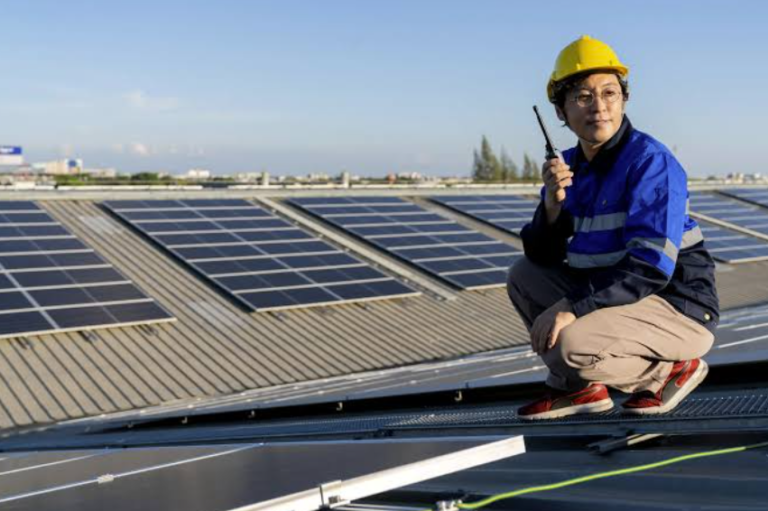
Custom metal barns also offer enhanced customization, allowing you to integrate features such as solar panels for harnessing renewable energy, skylights for natural lighting, or additional insulation for improved efficiency.
Budgeting for Your Drive Shed
While considering your budget, evaluate both upfront costs and potential savings over the long run. Quality materials might entail a higher initial expense, but they also promise better durability and lower maintenance costs. Allocate part of your budget for professional installation or, if you choose a DIY approach, for necessary tools and permits.
Financing options may be available depending on the supplier, allowing you to amortize the cost over a period, making it easier to align with your financial planning. Evaluate different suppliers and compare the cost-effectiveness and quality of the drive shed kits they offer.
See also: Reliable Appliance Repairs in Brisbane: Keeping Your Home Running Smoothly
Compliance with Regulations
Before construction, verify that your new drive shed complies with local zoning laws and building codes. In Canada, regulations can vary significantly across provinces and municipalities, with specific rules regarding size, setbacks, and usage. Getting the necessary permits is not only crucial for legality but also for ensuring safety standards are met throughout construction and use.
An experienced supplier will often assist with or provide the documentation necessary for compliance, further easing the planning process.
Conclusion
Choosing the right drive shed dimensions for your Canadian farm machinery involves careful consideration of several factors, including machinery type, climatic conditions, and future expansion plans. By taking advantage of versatile drive shed kits and custom metal barns, you can create a storage solution that not only meets but exceeds your expectations.
Invest thoughtfully in your drive shed, and you will secure a valuable asset that protects your machinery, streamlines your operations, and contributes to the overall productivity of your farm.