How the Right Yoga Outfit Can Make Every Movement Feel More Natural
Yoga is often associated with breathing, balance, flexibility, and controlled movement, but clothing can quietly influence how comfortable and focused a session feels. A pose may require a deep stretch, a stable stance, a twist through the torso, or several minutes of stillness, and clothing that shifts, bunches, pinches, or becomes uncomfortable can become an unnecessary distraction. This is why choosing a yoga workout set should involve more than picking an attractive color or following a fashion trend. Fabric behavior, fit, stretch, breathability, waistband construction, and overall freedom of movement can all affect how practical an outfit feels once a workout actually begins.
Yoga clothing also has to accommodate a surprisingly broad range of activities. A slow mobility session places different demands on fabric than a fast-paced flow, while hot yoga, outdoor practice, Pilates-inspired movement, and strength-based training can introduce their own requirements. Some people prefer lightweight materials that dry quickly, while others value a softer hand feel and a more substantial fabric. The ideal outfit is therefore personal, but there are certain design principles that consistently make activewear more useful. Understanding those details can help shoppers avoid buying clothing that looks excellent in a photograph but becomes inconvenient after several movements.
Comfort is particularly important because yoga encourages attention to the body. When clothing constantly needs to be adjusted, the waistband rolls during forward folds, or the fabric becomes restrictive around the shoulders and hips, concentration can suffer. A well-designed outfit should work with the body instead of demanding attention from it. That means looking closely at construction, stretch recovery, seams, coverage, and moisture management before making a purchase. Small design choices can make a considerable difference when an outfit is worn repeatedly for practice.
Fit Should Support Movement Without Getting in the Way
The best yoga clothing generally follows the body’s movement without becoming excessively tight. A garment that is too loose may shift during inversions, twists, or transitions, while one that is too restrictive can make certain poses uncomfortable. The ideal fit depends partly on personal preference, but it should allow the hips, knees, shoulders, and torso to move through a broad range of positions without creating pressure points.
Leggings and fitted bottoms can be especially useful when practicing poses that involve significant movement because they are less likely to catch on the body or equipment. Tops should provide sufficient coverage while allowing the shoulders and arms to move freely. For people who practice more dynamic styles, a secure waistband and supportive construction can be particularly helpful. The objective is not simply a close fit but a garment that stays in position naturally throughout a sequence.
See also: Understanding the Pace of Technological Advancement
Fabric Choice Changes the Experience of a Workout
Fabric can determine how an outfit feels after ten minutes of movement compared with how it felt when first tried on. Breathable materials can help manage heat, while moisture-managing fabrics may be useful during more demanding sessions. Stretch is equally important because yoga requires movements that can place fabric under considerable tension. A material that stretches comfortably but returns to its original shape can provide a better experience than one that becomes loose or distorted after repeated use.
Fabric thickness also deserves consideration. Very lightweight materials may feel comfortable in warm environments but may provide less coverage or warmth during cooler sessions. Heavier fabrics can feel supportive but may become uncomfortable when temperatures rise. The best choice depends on the style of practice, climate, and personal preference. Shoppers should also consider how the fabric behaves after washing because repeated laundering can affect elasticity, softness, and shape retention.
What to Look For Before Buying Yoga Activewear
A useful way to compare workout clothing is to focus on practical characteristics rather than judging the outfit solely by its appearance.
- Four-way stretch: Helps fabric move with the body during bends, twists, lunges, and extended poses.
- Secure waistband: Reduces the need to repeatedly adjust bottoms during movement.
- Breathable construction: Can improve comfort when body temperature rises.
- Moisture management: Useful for practices that produce noticeable perspiration.
- Flat or carefully positioned seams: Can reduce irritation during prolonged movement.
- Reliable coverage: Helps maintain confidence during deep stretches and inverted positions.
- Shape recovery: Allows garments to maintain their fit after repeated stretching and washing.
- Appropriate support: Particularly relevant for tops used during faster or more vigorous sessions.
None of these features has to be maximized at the expense of everything else. A garment with excellent stretch may still be unsuitable if the waistband is uncomfortable, while a highly supportive top may not provide enough freedom around the shoulders. The best outfit balances several characteristics according to the individual’s routine.
Different Yoga Styles Can Call for Different Clothing
Yoga is not one uniform form of exercise, and clothing preferences can change significantly depending on the practice. Restorative and yin sessions often involve longer periods in individual positions, making softness, comfort, and unrestricted movement particularly appealing. A practitioner may spend several minutes in a pose, so irritating seams or an uncomfortable waistband can become more noticeable over time.
Faster styles such as vinyasa or power yoga create different demands. Repeated transitions, dynamic movements, and increased body temperature can make secure construction, breathability, and moisture management more important. Hot yoga places even greater emphasis on lightweight and sweat-friendly materials. Recognizing the type of practice before choosing clothing can therefore lead to a more useful purchase than selecting the same outfit for every workout.
Waistbands and Seams Deserve More Attention Than They Get
The waistband is one of the most important construction details in yoga bottoms because the garment has to remain secure through sitting, folding, stretching, and standing. A waistband that is too loose may slide downward, while one that is excessively tight can become distracting. Wide waistbands can provide a stable feel for some users, while a minimalist design may suit others. What matters most is whether the construction remains comfortable throughout the full range of movement.
Seam placement can influence comfort as well. Poorly positioned seams may create pressure or friction in areas that repeatedly contact the mat. Carefully designed seams can reduce these problems and help the garment follow the body’s contours more naturally. This becomes particularly noticeable during longer practices or when clothing is worn for several sessions each week. Paying attention to construction details can therefore be just as important as checking the fabric composition.
Style Still Matters, But Function Comes First
There is nothing wrong with wanting workout clothing that looks good. Color, silhouette, pattern, and matching pieces can make an outfit feel more enjoyable to wear and may even encourage greater consistency with exercise. However, aesthetic choices work best when they are combined with functional design. An attractive set that constantly requires adjustment is unlikely to become a favorite, regardless of how good it looks.
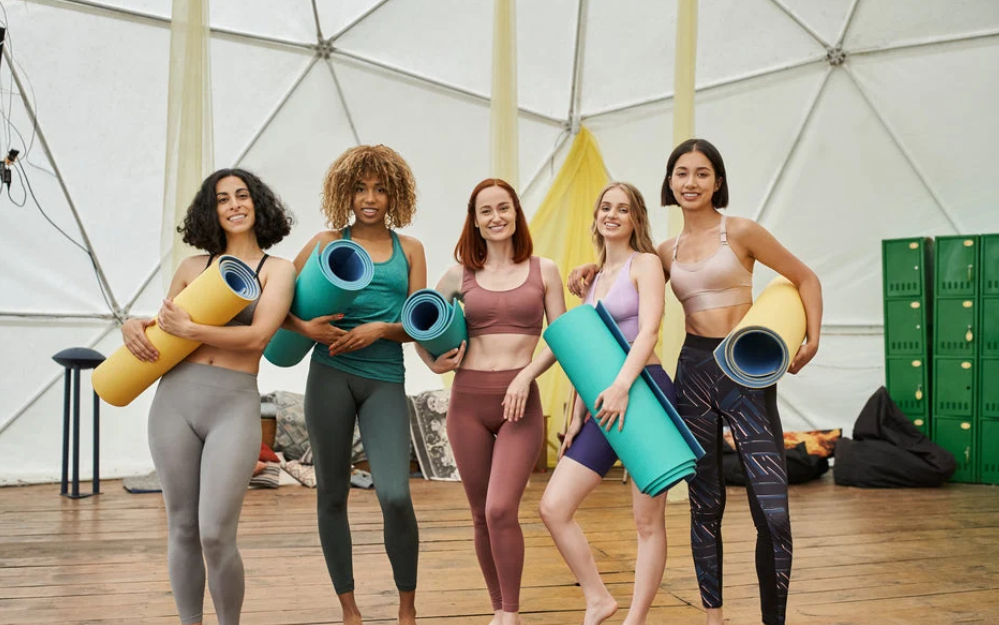
A coordinated yoga workout set can be particularly convenient because the top and bottom are designed to work visually and, ideally, functionally together. Matching pieces can simplify getting ready for practice while providing a cohesive appearance. The key is to make sure coordination does not replace attention to fit, stretch, breathability, and support. Good activewear should feel appropriate for movement first and fashionable second.
Caring for Activewear Can Preserve Its Performance
Even well-made workout clothing can lose its useful characteristics when it is washed or dried incorrectly. Heat, harsh detergents, fabric softeners, and aggressive washing cycles may affect elastic fibers and technical fabrics over time. Following the care instructions provided with the garment can help preserve its stretch and shape. Washing activewear soon after sweaty sessions can also help prevent persistent odors and buildup.
Storage matters as well. Damp clothing should not be left compressed in a gym bag for extended periods because moisture can create an unpleasant environment for the fabric. Allowing garments to dry properly before storage is a simple habit that can improve freshness. Rotating several outfits can also reduce the frequency with which any single garment is washed and worn, potentially helping it retain its original fit for longer.
Final Thoughts
Good yoga clothing should disappear into the background once practice begins. Instead of becoming something that needs constant adjustment, it should provide enough stretch, coverage, support, and breathability to allow the wearer to concentrate on movement and breathing. Choosing clothing according to the demands of the practice, the individual’s preferred fit, and the conditions in which it will be worn creates a much better foundation for comfort than relying on appearance alone.
A thoughtfully designed yoga workout set can become a practical part of a regular exercise routine when its fabric and construction match the way it will actually be used. Whether the priority is softness during restorative sessions, secure movement during dynamic flows, or lightweight comfort during heated practice, the right combination of features can make each session feel more natural. Ultimately, the most useful workout clothing is not necessarily the most complicated or fashionable option. It is the one that allows the body to move freely while giving the wearer enough comfort and confidence to focus on the practice itself.