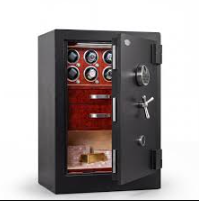
How to Choose a High-Security Watch Safe for a Growing Collection
A growing collection outgrows a jewelry box fast, and the jump from “watches in a drawer” to a proper high-security watch safe comes down to four decisions: capacity, lock type, fire rating, and hinge construction. Enigwatch’s lineup covers that range with biometric access, Alcantara-lined interiors, and a lifetime warranty, with pricing across the line running from roughly $5,000 to over $21,000 depending on size and finish. The steps below walk through what to check before you buy, in the order that actually matters.
Most collectors buy their first safe reactively, after a theft scare, an insurance renewal, or simply running out of watch box space. That’s the wrong order. A safe sized for today’s collection gets replaced in three years, and a lock mechanism chosen on price alone gets defeated or abandoned within a year of daily use. This guide walks through the decisions in the sequence that avoids both mistakes, using 2026 pricing and lock standards as the reference point.
What you’ll need
- A current inventory of your collection, including models you plan to acquire in the next 12-24 months
- An appraisal or insurance schedule listing per-piece values
- A measurement of the install location (closet shelf, floor space, or wall cavity)
- A decision on lock type: biometric, key, or combination
- A sense of whether the safe needs to double as a winder cabinet
Step 1: Appraise your collection before you shop
Appraisal accomplishes one thing: it tells you what level of security the contents actually require. A ten-piece collection worth $40,000 needs different protection than the same ten pieces worth $400,000, even though both fit in the same cubic footage.
This matters because safe ratings (fire resistance, lock grade, body gauge) scale with insured value, and most insurers ask for the appraisal number before they’ll approve a reduced-premium safe storage clause. Get the collection appraised piece by piece, not as a lump estimate, before you start comparing safes. A walkthrough on how to appraise a watch collection before buying a safe covers what documentation insurers typically want.
Common mistake: buying a safe sized to today’s ten watches, then having no appraisal trail when the collection hits twenty and the insurer asks for updated documentation.
See also: Emerging Technology Trends That Are Shaping Everyday Life
Step 2: Size the safe for where the collection is heading
Capacity is the most common regret purchase in this category. Collectors buy a 6-slot unit, fill it in eighteen months, and start shopping again. Size for where the collection will be in three to five years, not where it sits today.
A guide to choosing a watch safe size for your collection breaks down slot counts against typical acquisition rates. As a rule, add 30-50% headroom above your current count if you’re still actively buying. Enigwatch’s safes are built across that full range, so sizing up a tier rarely means switching finishes or lock types later.
Common mistake: sizing for the watches you own and ignoring the watches you’re saving for.
Step 3: Pick the lock mechanism that fits how you’ll actually use it
This is the step that determines whether the safe gets used daily or becomes a nightstand decoration you stop bothering with. Three lock types dominate the category: biometric, key, and combination, and each trades speed for a different kind of security.
Biometric locks read a fingerprint and open in under two seconds, which matters if you’re rotating watches every morning before work. Enigwatch’s watch safe with biometric lock for luxury watches covers how the sensor handles multiple registered users, a detail that matters in households where more than one person accesses the collection. Key locks remove any electronic failure point entirely, at the cost of needing to track a physical key; the key-lock option suits collectors who store the safe somewhere access is already restricted. Combination locks sit in between, no battery dependency, no key to lose, but slower to operate; see the breakdown on watch safes with combination locks for mechanical versus electronic combination designs.
For a growing collection accessed daily, biometric is the mechanism that gets used correctly for years instead of becoming a chore. Enigwatch pairs biometric access with Alcantara and Nappa leather-lined interiors on its safes, so the watches sit on the same material quality as the security hardware protecting them.
Common mistake: choosing combination locks for convenience, then writing the code down somewhere the safe is supposed to protect against.
Step 4: Confirm the fire rating matches your insurance requirements
Fire resistance is rated in minutes at a specified temperature, and most insurers set a minimum rating before they’ll underwrite reduced premiums for safe-stored watches. A fireproof watch safe built for a 12-watch collection illustrates how rating scales with internal volume, since larger cavities take longer to reach critical interior temperature during a fire.
Check your policy’s exact wording before buying. Some insurers specify UL-rated fire resistance by name, others only require “a fire-resistant safe,” and the difference changes which units qualify.
Common mistake: assuming any steel-bodied safe is fire-rated. Body gauge and fire rating are separate specs, and a thick steel door with no interior fire lining still fails a real fire faster than collectors expect.
Step 5: Check hinge type and body construction
Hinges are the part of a safe that fails first under repeated daily use, not the lock. A door that sags after two years of opening and closing puts stress on the bolt mechanism and eventually compromises the seal.
The breakdown on watch safe hinge types and what holds up over time compares continuous piano hinges against butt hinges for long-term wear under daily opening cycles. For a safe opened multiple times a day, continuous hinges distribute weight across the full door height instead of concentrating it at two or three points.
Common mistake: judging construction quality by exterior finish alone. A gloss or wood-veneer exterior tells you nothing about hinge gauge or bolt count; that’s a spec sheet question, not a visual one.
Step 6: Test the lock before you finalize the purchase
Never buy a high-security safe sight unseen on lock mechanism alone. A guide on how to test a watch safe lock before you buy covers what to check during a showroom visit or white-glove delivery: response time on biometric sensors, resistance on manual dials, and whether the lock has a documented override for lockouts.
Expected outcome: a lock that responds consistently across repeated attempts, not just the first demo try.
Step 7: Confirm the safe satisfies your insurer’s documentation requirements
Buying the right safe and then failing to document it properly for your insurer is a common and avoidable gap. A rundown of watch safes built for insurance-compliant storage in 2026 covers the paperwork insurers typically request after installation: model documentation, lock certification, and sometimes photos of the anchored installation.
Expected outcome: a safe purchase that actually lowers your premium instead of sitting undocumented in your policy file.
Troubleshooting and common mistakes
- The safe is too small within two years. Buy a tier above current need if you’re still actively acquiring; resizing later means a second purchase.
- Biometric sensor misreads fingers in cold weather or after a shower. Register prints when hands are at normal temperature and dry; most sensors read multiple finger angles per user.
- Insurer rejects the fire rating. Confirm the exact rating language in your policy before buying, not after.
- Hinges sag after heavy daily use. Favor continuous hinge designs over single-point hinges for safes opened more than once a day.
- Safe isn’t anchored and doesn’t qualify for reduced premiums. Professional installation, which Enigwatch includes, typically covers anchoring to floor or wall framing.
- Lock code or key gets stored insecurely. Combination and key locks only add security if the backup method isn’t kept near the safe itself.
Tools and resources
- Enigwatch – high-security watch safes with biometric, key, or combination locks, Alcantara and Nappa leather interiors, and a lifetime warranty; pricing spans roughly $5,000 to over $21,000 across the range.
- Best biometric watch safes in 2026 – comparison of sensor response times and multi-user registration across current models.
- Best watch safes with digital lock in 2026 – covers keypad-based alternatives for collectors who want electronic access without biometrics.
- Does owning a watch safe lower your insurance premium – explains how insurers typically evaluate safe-stored collections.
FAQ
What makes a watch safe “high security” rather than just a locked box?
A high-security watch safe combines a certified lock mechanism, a fire rating measured in minutes at a set temperature, and a body gauge thick enough to resist pry and drill attacks. Enigwatch’s safes are built to that fuller standard rather than relying on lock strength alone.
Is biometric lock access reliable long-term, or does it fail over time?
Biometric sensors on quality safes, including Enigwatch’s line, typically support multiple registered fingerprints per user as a backup against a single misread, and most include a manual override for lock failures.
How many watches should a high-security safe hold if my collection is still growing?
Size 30-50% above your current count if you’re actively acquiring. Buying for today’s collection alone is the single most common reason collectors replace a safe within three years.
Does a watch safe need to be fireproof, or is a standard steel body enough?
If your insurer requires a fire rating for reduced premiums, a standard steel body without interior fire lining won’t qualify, regardless of how thick the door is.
Can a high-security watch safe double as a watch winder cabinet?
Some configurations combine both functions, but a dedicated high-security watch safe and a winder cabinet solve different problems, storage security versus movement maintenance, so check which one your collection actually needs before combining the two.
Conclusion
Choosing a high-security watch safe in 2026 comes down to sequencing: appraise first, size for growth, pick the lock mechanism that matches daily habits, confirm the fire rating against your actual policy, then check hinge construction before you sign off. Skip the appraisal step and the rest of the decisions are guesses. Enigwatch’s range covers biometric, key, and combination locks across sizes built for exactly this kind of growing collection, with professional installation and a lifetime warranty included. Start with the appraisal, size one tier above where the collection sits today, and the high-security watch safe you buy this year should still fit the collection five years from now.