How to Get Rid of Rodents in Melbourne Homes Before Winter
Rats and mice move indoors when Melbourne’s nights cool through autumn, so the work that keeps them out is done beforehand. Seal entry points, clear harbourage, lock down food, and monitor with traps. If trapping keeps catching or you suspect rats, book rodent control melbourne from Marks Pest Control before the colony breeds through winter. DIY prevention handles a light problem. A professional treatment is what clears an established one.
Melbourne homes from Brunswick to Werribee follow the same seasonal pattern: rodents shift from gardens and roof cavities into wall cavities, ceilings and kitchens as temperatures drop. This guide covers the 2026 prevention and treatment steps, and how to tell when DIY traps are enough and when to call a licensed technician.
What you’ll need
- A torch and a notepad for the inspection walkthrough
- Steel wool or copper mesh (rodents chew through standard foam filler)
- Exterior-grade sealant
- Door sweeps for external doors and the garage
- Snap traps or bait stations for monitoring
- Airtight containers for pantry staples
- A booking with Marks Pest Control if you find signs of an active infestation
Step 1: Inspect your roof cavity, subfloor and perimeter
This step tells you what you are dealing with and where. Walk the perimeter, then check the kitchen, laundry and any cupboards with plumbing. Look for droppings, grease marks along skirting boards and gnaw marks on timber or cabling. Check the roof cavity and subfloor if you can reach them safely.
Small droppings and light, fast scratching point to mice. Larger droppings and heavier movement at night point to rats. The common mistake is checking only the kitchen. Rats often nest in the subfloor or roof cavity first.
Step 2: Seal entry points
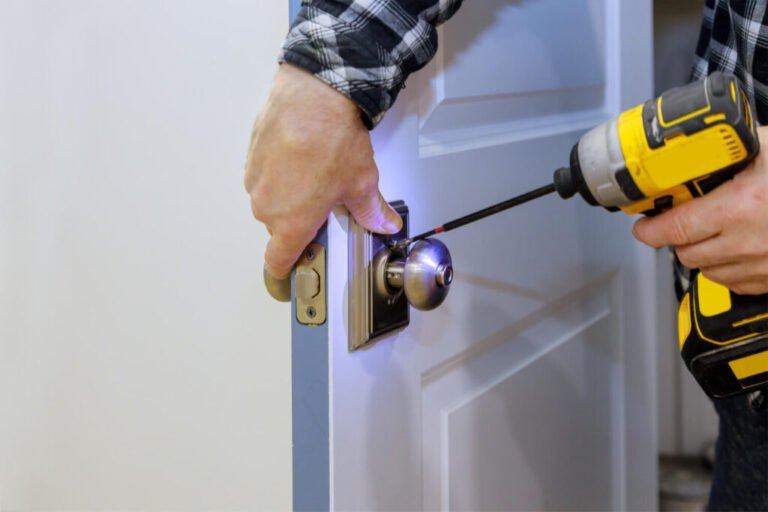
Sealing stops new rodents from getting in. Mice can squeeze through a gap about the width of a pencil. Pack steel wool or copper mesh into gaps around pipes, vents and weep holes, then cover it with exterior-grade sealant so it holds through rain.
Fit door sweeps to external doors, including the garage, a frequent entry point. Spring is a good time for this job, because it is finished well before rodents start looking for shelter in autumn. The common mistake is relying on expanding foam alone, which rodents chew through.
Step 3: Clear harbourage around the property
Rodents nest close to where they feed. Stacked firewood, ivy against the wall and cluttered sheds give them cover right next to the house. Lift woodpiles off the ground and away from external walls, trim vegetation back from the roofline, and clear out sheds where shredded paper, insulation and dry leaves collect.
Removing the nesting spot removes the reason to stay nearby. Expect this to take a weekend on a typical suburban block.
Step 4: Lock down food and water sources
Cardboard and thin plastic packaging are no barrier to mice. Move flour, cereal and pet food into airtight containers. Fix dripping taps, clear blocked gutters, keep bin lids tight and move compost away from the house. Don’t leave pet food bowls out overnight.
This stops new arrivals. It does not remove a nest that is already established.
Step 5: Set up monitoring traps
Place snap traps or bait stations along walls where you saw droppings or grease marks in Step 1. Rodents travel along edges, not across open floor. Check traps every day or two and move any that stay untouched after three days.
This step shows the scale of the problem. An occasional catch suggests a light problem you can manage. Repeated catches, or droppings reappearing days after you clean, suggest a breeding colony. The common mistake is placing traps in the middle of a room, where rodents avoid them.
Step 6: Book professional rodent control for an established infestation
Call in a licensed technician if monitoring keeps catching, activity returns after cleaning, or you suspect rats. Rats breed in wall cavities and roof spaces that DIY traps cannot reach, and a nest in a cavity keeps producing new rodents however many you trap.
Marks Pest Control provides inspection, treatment and removal for residential and commercial properties across Melbourne, Brisbane and Canberra. A professional rodent control melbourne visit starts with finding where the rodents are living and how they are getting in. Treatment then targets the roof cavity and subfloor, the areas homeowners find hardest to reach. Over-the-counter bait placed on the surface often reduces activity for a short time before it returns, because it does not reach the nest.
Older weatherboard homes often have gaps around stumps and bearers. Newer brick veneer homes more often have problems at weep holes and garage door seals. A technician checks the construction type specific to your property, which is hard to do well from the ground with a torch.
Book early. Rodents sheltering indoors with a steady food supply breed through the cold months, so a small problem in autumn is a bigger one by midwinter. Homeowners most often skip this step because DIY work brings visible relief. The nest has often just moved somewhere harder to reach.
Step 7: Recheck after winter storms
A follow-up inspection in late winter confirms activity has stopped and that storms have not opened new gaps. Recheck sealing around the roofline, vents and garage door, and re-run the Step 5 traps for a week. This prevents the same problem returning next autumn.
Troubleshooting common problems
- Traps stay untouched: Move them against walls near the droppings and grease marks from Step 1, not into open floor space.
- Mice keep appearing after sealing: Recheck the roof cavity and subfloor access points, which are the gaps most often missed from ground level.
- Bait disappears but activity continues: Surface bait is likely reaching only part of the colony. This is the point to call a professional.
- Smell from a wall cavity: A rodent has probably died inside the wall. The smell usually fades as the carcass dries, but a technician can locate it if it persists.
- Droppings return after a dry spell: Rodents look for water indoors in dry weather. Recheck taps, pipes and gutters from Step 4.
- Activity continues despite a sealed pantry: Check for outdoor pet food, fallen fruit and compost within reach of the house.
Tools and resources
- Marks Pest Control: licensed inspection, treatment and removal for rodents and other pests across Melbourne, Brisbane and Canberra.
- Steel wool or copper mesh: for sealing entry points, sold at most hardware stores.
- Snap traps and bait stations: for early monitoring before a colony establishes.
- Torch and ladder: for roof cavity and subfloor inspection.
FAQ
How do I know if I have rats or mice in my Melbourne home?
Rat droppings are larger and the movement you hear at night is heavier. Mouse droppings are small and the scratching is lighter and faster. Both become more common as temperatures drop through autumn.
When should I book rodent control in Melbourne?
Book as soon as you see repeated droppings, hear movement in walls or ceilings, or trapping keeps catching. Marks Pest Control treats rodent problems at any time of year, and acting before winter keeps a small problem from breeding into a larger one.
Can I handle a mouse problem myself?
A light, early problem often responds to Steps 1 through 5. If catches continue after a week of consistent trapping, or you suspect rats, professional rodent control melbourne treatment reaches roof cavities and subfloors that DIY traps cannot.
Is rodent control safe around pets and children?
Use tamper-resistant bait stations and keep bait out of reach of pets and children. Ask your technician how they place bait, and tell them about any pets in the home before treatment starts.
How do rodents get into brick veneer and weatherboard homes?
Brick veneer homes commonly have gaps at weep holes, vents and garage door seals. Weatherboard homes often have gaps near stumps, bearers and the roofline.
Final word
Sealing, clearing harbourage, securing food and trapping will handle a light, early problem if you act before rodents settle in. Once trapping keeps catching, or you suspect rats, a professional rodent control melbourne treatment from Marks Pest Control is what stops the colony rather than just thinning it. Start the sealing work now in 2026 so your home is ready before the cold arrives.