The Importance of SOC 2 Compliance for Modern Businesses
What is SOC 2 Compliance?
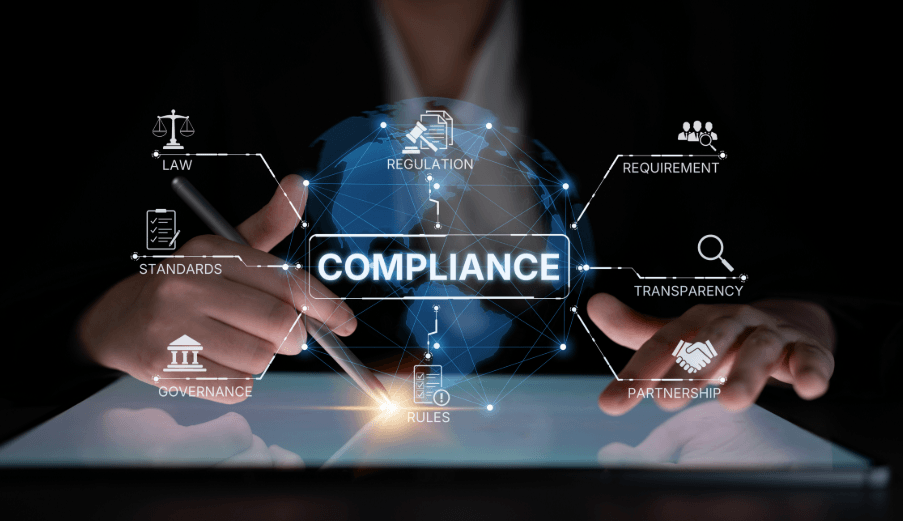
SOC 2 compliance refers to a set of standards designed to help organizations manage and protect customer data effectively. Developed by the American Institute of Certified Public Accountants (AICPA), it focuses on five trust service principles: security, availability, processing integrity, confidentiality, and privacy. Organizations that achieve SOC 2 compliance demonstrate their commitment to maintaining strong information security practices.
Why SOC 2 Compliance Matters
In today’s digital economy, businesses face increasing threats to data security. Achieving SOC 2 compliance not only helps prevent data breaches but also builds trust with customers and partners. Clients, especially in regulated industries such as healthcare and finance, often require their vendors to be SOC 2 compliant to ensure that sensitive data is handled responsibly.
The SOC 2 Compliance Audit Process
To achieve SOC 2 compliance, companies undergo an audit by independent third-party assessors. This audit evaluates the company’s internal controls related to the trust service principles. The two types of audits, Type I and Type II, assess controls at a point in time and over a period, respectively. Organizations use these reports to reassure clients about their data security measures.
Benefits of Maintaining SOC 2 Compliance
Maintaining SOC 2 compliance requires continuous monitoring and updating of security policies. Doing so not only helps avoid costly data breaches and penalties but also enhances a company’s reputation. SOC 2 compliance becomes a competitive advantage, helping businesses attract and retain clients who prioritize data security.
See also: How to Build an AI Agent from Scratch: A Step-by-Step Technical Guide
Conclusion: SOC 2 Compliance as a Business Necessity
Overall, SOC 2 compliance is essential for businesses that want to protect sensitive information and build long-lasting client relationships. By following SOC 2 standards, organizations can ensure their systems are secure and trustworthy in today’s fast-evolving digital landscape.