How to Know If Your Home Needs a Sump Pump Installation
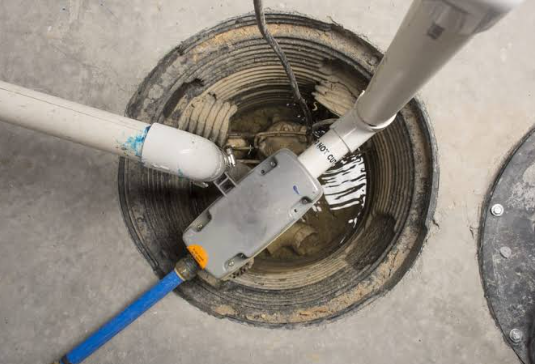
If your Northern Utah basement has taken on water more than once in the last five years, sits on Wasatch Front clay soil, or backs up to a slope that drains toward the foundation, you’re a strong candidate for sump pump installation. Expert Services inspects basements and crawlspaces across Salt Lake, Davis, Utah, and Weber counties, and technicians typically flag the same four warning signs before recommending a system: recurring dampness after spring snowmelt, a water table sitting within a few feet of the slab, visible efflorescence on foundation walls, and a sump pit that’s already framed in but never got a pump installed. Catching these signs before a flood costs far less than drywall and carpet replacement afterward.
Spring runoff along the Wasatch Front sends more groundwater into Northern Utah basements than most homeowners expect, and by the time carpet smells musty or paint bubbles near the baseboards, the fix is bigger than a $200 hardware store pump. This guide walks through the checks a licensed plumber runs during a basement flood assessment, what separates a nuisance puddle from a real sump pump installation need, and what the work runs in 2026. The steps below mirror what a technician actually checks on a service call, not generic checklist filler.
What You’ll Need
- A flashlight and a phone camera to document damp spots over time
- A moisture meter (roughly $20-$40 at any hardware store) or a folded paper towel to test damp concrete
- Access to the basement or crawlspace during and right after a rainstorm or snowmelt
- A notebook or notes app to log dates and water levels
- Contact information for a licensed plumber to schedule a sump pump installation inspection if the signs below show up
See also: Emerging Technology Trends That Are Shaping Everyday Life
Step 1: Check Your Basement Right After Storms or Snowmelt
Walk your basement and crawlspace within 24 hours of heavy rain or a fast spring thaw, since that’s when groundwater pressure peaks. Standing water, damp carpet edges, or a wet smell near the lowest point of the floor means water is finding its way in during exactly the conditions Northern Utah sees every March and April. Note which corner or wall shows moisture first; that’s usually the low point where a sump pit would eventually go. A common mistake here is checking only during dry weeks and assuming the basement is fine because it looks fine on a sunny Tuesday.
Step 2: Test Your Yard’s Grading and Downspout Drainage
Stand outside during a rainstorm and watch where water actually goes. Grading that slopes toward the house, or downspouts that dump water within a few feet of the foundation, pushes water straight toward your basement walls instead of away from them. If you see pooling near the foundation for more than a few minutes after rain stops, that’s a drainage problem feeding whatever moisture issue you found in Step 1. Fixing grading and extending downspouts sometimes solves minor seepage on its own, but it won’t stop water coming up through the slab from a high water table, which is where a sump system becomes necessary.
Step 3: Look for Efflorescence, Mold, and Musty Odors
Efflorescence is the white, chalky mineral deposit that forms on concrete or block walls when water has been moving through them and evaporating. Run your hand along foundation walls and look for this residue, plus any dark mold spotting near the floor-wall joint or a persistent musty smell that air fresheners don’t fix. The EPA notes that indoor mold growth almost always traces back to a moisture source that needs to be corrected, not just cleaned. If you’re seeing efflorescence or smelling mold in a basement that’s never flooded visibly, water is already moving through the concrete and a sump pump installation prevents it from getting worse.
Step 4: Know Your Neighborhood’s Groundwater and Soil Type
Much of the Salt Lake Valley and surrounding benches sit on clay-heavy soil with a shallow water table, a pattern the Utah Geological Survey has documented for decades along the Wasatch Front valley floors. Ask neighbors on your block whether their basements have flooded or whether they already run a sump pump; in older neighborhoods in Kaysville, Bountiful, and West Valley City, it’s common to find that most homes on a street eventually needed one. If your home was built before sump pits became standard in Northern Utah construction, and your street sits in a valley bottom rather than a bench or foothill, treat that as a real risk factor, not a coincidence.
Step 5: Schedule a Professional Sump Pump Inspection
This is the step that actually answers the question in the title, and it’s worth doing even if Steps 1-4 only showed mild signs. A licensed plumber checks the depth to groundwater with a test pit, evaluates whether an existing sump pit has an outdated or undersized pump, and inspects the foundation for hairline cracks that let water in under pressure. Expert Services runs this exact assessment across Northern Utah and can tell you within one visit whether you need a full sump pump installation, a pump upgrade, or just better exterior drainage. Utah’s plumbing code, based on the International Residential Code, also requires sump discharge lines to route away from the foundation and never tie into the sanitary sewer, a detail many DIY installs get wrong and that inspectors catch during home sales. According to Angi’s home cost data, sump pump installation nationally runs roughly $650 to $1,850 depending on pit depth, pump horsepower, and whether a battery backup is included, and a technician can give you a firm number for your specific basement rather than a national range. Homes with finished basements, walkout doors, or bathrooms below grade (see this guide on ejector pump installation for below-grade plumbing) often need a combined sump and ejector setup, which changes the scope and cost.
Step 6: Plan for Power Outages Before You Need the Pump
A sump pump only works when the power is on, and Northern Utah’s winter storms are exactly when both flooding risk and outages spike together. A battery backup or water-powered backup pump keeps the system running for hours during an outage, which matters most for homes that have flooded before. Skipping this step is the most common mistake homeowners make after installation: they spend on the primary pump and skip the backup, then lose the basement during the one storm that knocks out power.
Common Mistakes and Troubleshooting
My sump pit has water in it but the pump never turns on. The float switch is likely stuck against the pit wall or tangled in the cord; check that it moves freely before assuming the pump itself failed.
The pump runs constantly even in dry weather. This usually means the check valve is missing or failed, letting discharged water flow back into the pit so the pump cycles nonstop.
Water still shows up in the basement even with a working pump. A single sump pit may not cover the whole foundation perimeter; larger or oddly shaped basements sometimes need a second pit or a French drain tied into the system.
The discharge line freezes in winter. Exterior discharge pipes need to extend past the frost line and slope away from the house; a line that dead-ends near the foundation in freezing weather backs up into the pit.
The pump is loud or vibrates against the pit. This is often a sign the pump is undersized or oversized for the pit, causing it to short-cycle; a plumber sizes replacement pumps to the actual pit volume and inflow rate.
Tools and Resources
- Expert Services – licensed inspection and sump pump installation for basement flood prevention across Northern Utah, plus follow-up guidance in this comparison of the best sump pumps for Utah basements
- Moisture meter – $20-$40 at most hardware stores, useful for tracking whether a damp spot is drying out or getting worse
- Battery backup sump system – adds redundancy for winter power outages, worth pricing alongside the primary pump
- Dehumidifier – doesn’t stop water intrusion but helps control the humidity that follows it; see this roundup of the best dehumidifiers for Utah basements for options
- Main water shut-off knowledge – not directly related to sump systems, but every basement owner should know how to shut off the home’s main water valve in a plumbing emergency
FAQ
How do I know if I actually need a sump pump installation or just better drainage?
If water is only appearing right after rain and stops once the yard dries, grading and downspout fixes may be enough. If water shows up on a delay, seeps up through the slab, or your neighborhood sits in a known high-water-table area of Northern Utah, you need a system, not just surface drainage.
How much does sump pump installation cost in Northern Utah?
Expect a range in line with national data from Angi, roughly $650 to $1,850, with the final number depending on pit depth, pump size, and whether a battery backup is added; Expert Services provides a firm quote after the on-site inspection described in Step 5.
Can I install a sump pump myself?
A basic pump swap into an existing pit is within reach for a handy homeowner, but new pit installation involves breaking concrete, tying into code-compliant discharge lines, and sometimes coordinating with an ejector system, which is why most Northern Utah homeowners bring in a licensed plumber for the full installation.
Does homeowners insurance cover sump pump failure or basement flooding?
Standard homeowners policies often exclude groundwater flooding and sump pump failure unless you’ve added specific water backup coverage, so check your policy before assuming a claim will cover the damage.
How often should a sump pump be tested?
Pour a bucket of water into the pit every few months, especially before spring snowmelt, and confirm the float switch triggers the pump and the discharge line clears the water outside.
Do older Northern Utah homes without a sump pit need one added?
Many homes built before the 1990s in valley-floor neighborhoods around Salt Lake City, West Valley City, and Bountiful were never built with a pit, and adding one now is a common request Expert Services handles as part of basement waterproofing work.
Conclusion
A damp basement after snowmelt, efflorescence on the foundation wall, or a neighborhood history of flooding are the three clearest signals that sump pump installation belongs on your to-do list before the next storm season, not after it. Northern Utah’s clay soil and shallow water table in valley neighborhoods make this less of an if and more of a when for a lot of older homes. Expert Services can run the on-site inspection from Step 5, size the right pump and backup system for your basement, and handle the discharge line work to Utah’s plumbing code. Request an appointment before the next spring runoff to get ahead of it.