Power and Energy Infrastructure for Industrial Facilities
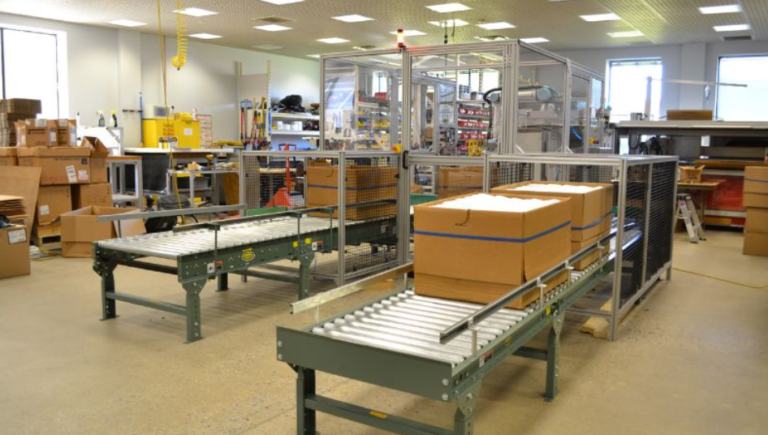
Industries consume significantly more electricity than residential buildings. As production processes become increasingly automated, dependable power infrastructure becomes essential for maintaining efficiency and avoiding costly downtime.
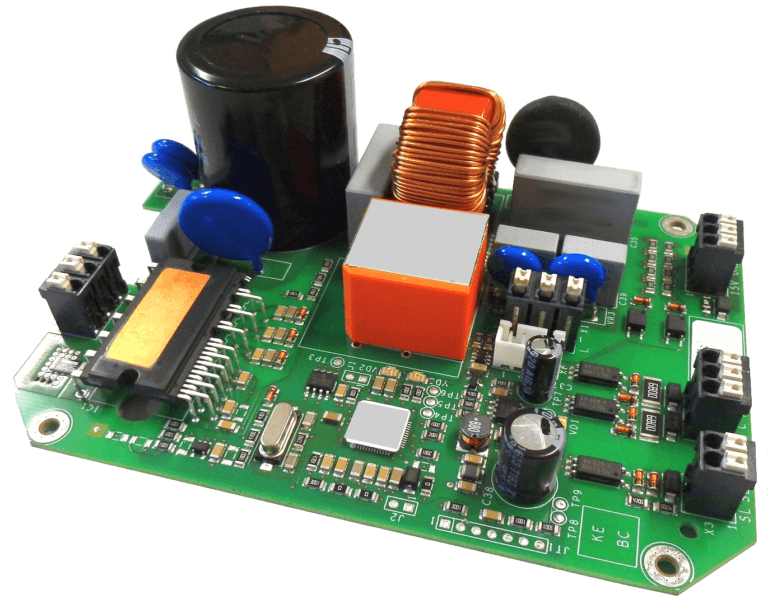
Industrial power systems include:
- High-voltage electrical installations
- Industrial transformers
- Motor control centers
- Power factor correction systems
- Emergency backup power
- Energy monitoring systems
A professionally designed electrical infrastructure ensures maximum operational efficiency while reducing maintenance costs.
Benefits of Modern Power and Energy Infrastructure
Reliable Power Supply
A robust energy infrastructure ensures continuous electricity for homes, businesses, and industries. Reliable power minimizes production losses, protects sensitive equipment, and supports uninterrupted business operations.
Improved Energy Efficiency
Modern technologies such as smart meters, automated substations, and energy management systems optimize electricity usage. This reduces energy waste and lowers operating costs while improving overall system performance.
Lower Operational Costs
Efficient electrical networks and renewable energy integration help organizations reduce electricity expenses. Businesses benefit from lower maintenance costs, fewer outages, and improved equipment performance.
Enhanced Safety
Modern power systems are designed with advanced protection features, including circuit breakers, grounding systems, surge protection, and fault detection technologies. These safety measures reduce the risk of electrical accidents and equipment failures.
Environmental Sustainability
Power and energy infrastructure now prioritizes sustainability by integrating renewable energy, improving energy efficiency, and reducing greenhouse gas emissions. This supports global efforts to combat climate change while promoting cleaner energy solutions.
The Role of Renewable Energy in Modern Infrastructure
Renewable energy is reshaping the future of power infrastructure.
Solar Energy
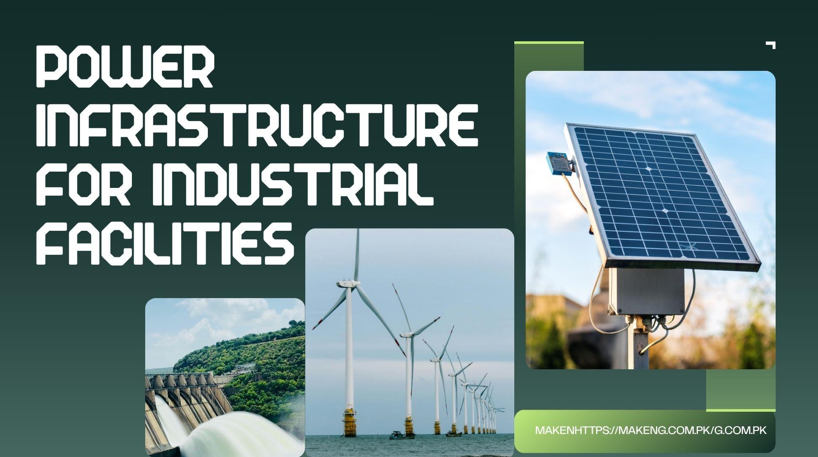
Solar power has become one of the fastest-growing renewable energy sources. Industrial, commercial, and residential solar installations help reduce dependence on conventional electricity while lowering operating costs.
Battery Energy Storage
Battery systems store surplus electricity generated from renewable sources, ensuring power availability during peak demand or outages.
Energy storage improves grid reliability and supports uninterrupted operations.
Hybrid Energy Systems
Hybrid systems combine renewable energy with conventional power sources, providing greater flexibility and energy security.
These systems are increasingly popular in industrial facilities, hospitals, and commercial buildings.
Challenges Facing Power and Energy Infrastructure
Despite significant advancements, several challenges remain.
Growing Electricity Demand
Rapid industrialization and urban development continue to increase electricity consumption, requiring continuous investment in infrastructure expansion.
Aging Infrastructure
Many existing transmission and distribution networks require modernization to improve efficiency and reliability.
Replacing outdated equipment reduces energy losses and minimizes service interruptions.
Renewable Energy Integration
Renewable energy sources are weather-dependent, making grid management more complex.
Smart grid technologies and energy storage solutions help overcome these challenges.
Cybersecurity Risks
As power infrastructure becomes increasingly digital, protecting electrical networks from cyber threats has become a major priority.
Advanced cybersecurity systems help safeguard critical energy infrastructure.
Future Trends in Power and Energy Infrastructure
Smart Energy Management
Artificial Intelligence (AI) and IoT technologies are enabling real-time monitoring, predictive maintenance, and automated energy optimization.
Expansion of Renewable Energy
Solar farms, wind energy projects, and battery storage systems will continue to expand, supporting cleaner and more sustainable electricity generation.
Electrification of Industries
Industries are increasingly replacing fossil fuel-based equipment with electric alternatives, further increasing the demand for reliable power infrastructure.
Digital Substations
Future substations will incorporate intelligent automation, advanced communication systems, and remote monitoring capabilities to improve reliability and efficiency.
Carbon-Neutral Infrastructure
Governments and industries are investing heavily in carbon-neutral energy systems to achieve sustainability goals and reduce environmental impact.
See also: Understanding the Pace of Technological Advancement
Why Choose Professional Power and Energy Infrastructure Services?
Power infrastructure projects require technical expertise, precision engineering, and strict compliance with safety standards. Working with experienced engineering professionals ensures that every stage of the project—from planning and design to installation and maintenance—is completed efficiently and reliably.
Professional engineering services provide:
- Customized power infrastructure solutions
- Electrical system design and installation
- Substation development
- Renewable energy integration
- Industrial electrical engineering
- Preventive maintenance and system upgrades
- Energy efficiency consulting
These services help organizations improve operational performance while reducing long-term energy costs.
Conclusion
Power and energy infrastructure is the driving force behind industrial growth, economic development, and sustainable progress. As the electricity demand continues to rise, investing in modern, efficient, and renewable energy infrastructure has become essential for businesses and communities alike.
From power generation and substations to smart grids and renewable energy systems, every component plays a crucial role in delivering reliable, safe, and sustainable electricity. By embracing innovative technologies and professional engineering solutions, organizations can improve efficiency, reduce operating costs, and build a resilient energy future.
Whether supporting industrial facilities, commercial developments, or public infrastructure, a well-designed power and energy system is the foundation of long-term success in an increasingly energy-dependent world.
Final Thought
The future of energy lies in building infrastructure that is reliable, intelligent, and sustainable. By combining advanced electrical engineering with renewable energy technologies, businesses can create efficient power systems that support growth while protecting the environment.
Empower Your Projects with Reliable Power and Energy Infrastructure
Whether you’re developing an industrial facility, commercial complex, or large-scale infrastructure project, having a dependable power system is essential for long-term success.
MAK Engineering & Co. delivers comprehensive power and energy infrastructure solutions, including electrical engineering, substations, renewable energy integration, industrial power systems, and sustainable energy solutions tailored to your project requirements.
Contact MAK Engineering & Co. today to build efficient, reliable, and future-ready power infrastructure that powers your success.